Site Visit Follow-Up for Real Estate: A Simple Plan
A buyer who visited your site is your warmest lead, yet often gets the least follow-up. Here is a simple before-and-after plan for small real estate teams in India.

Site visit follow-up is the set of calls and messages you send before and after a buyer visits your property. Most small real estate teams do the first call well and then go quiet. The buyer who actually stood in your flat is your warmest lead, so this is the wrong place to go quiet.
This guide gives you a simple plan you can start this week, with or without a CRM.
Why site visit follow-up gets missed
A visit feels like the finish line for the day. The executive is already thinking about the next lead. Notes stay in a WhatsApp chat or in memory. Three days later nobody remembers what the buyer liked or what worried them.
Common reasons it breaks:
No one owns the lead after the visit.
There is no next date written down.
The visit is not recorded as a stage, so it looks like any other enquiry.
Feedback is never captured, so the next call is generic.
Treat the site visit as two stages
Keep visit scheduled and visit done as separate stages in your pipeline. They need different actions. Before the visit, your job is to make sure the buyer shows up. After the visit, your job is to find out what they think and move them to the next step.
A simple pipeline for a small team
New enquiry
Contacted
Visit scheduled
Visit done
Negotiation
Booked
Lost (with a reason)
If you are still tracking this in a sheet, read our guide on moving from a spreadsheet to a CRM.
Before the visit: make sure they come
A missed visit wastes a whole slot for your team. A few small steps help.
Confirm the same day you book. Send the date, time, location pin and the name of the person who will meet them.
Remind them the day before and a few hours before. Keep it short and friendly.
Ask one question. For example, who else is coming? This tells you who the decision makers are.
Brief the executive. Budget, unit type and source of the lead should be visible before they meet the buyer.
After the visit: the first 24 hours
This is the part most teams skip. Do these three things on the same day.
Record the visit. Mark the lead as visit done and write two or three lines: what they liked, what they objected to, who the decision maker is.
Send a thank-you message. Mention the unit or project they saw. Do not paste a brochure and disappear.
Set the next follow-up date. A lead with no date is a lead you will forget.
Speed matters here as well. We cover this in our lead response time guide.
A follow-up rhythm that is not pushy
Here is a simple rhythm you can adjust to your project. It is a starting point, not a rule.
WhenActionSame dayThank-you message and notes savedDay 2Answer the main objection they raisedDay 4 to 5Call to ask for their thoughts and the next stepDay 7 to 10Share something new: a payment option, a construction update, a second visit inviteAfter thatCheck in every two weeks until they say yes or no
Each touch should add something. Calling only to ask whether they have decided makes buyers avoid you.
Handle objections with notes, not memory
Buyers usually give a reason: price, location, family opinion, loan approval or timing. If you write the reason down after the visit, your next call can speak to it directly. For example, if the objection was the loan, offer to share the contact of a bank partner you already work with.
When a lead says no, mark it as lost and record why. After a month you will see patterns, such as many losses on price, and you can fix the pitch instead of guessing.
Who owns the lead after the visit?
Decide this before the visit. If the executive who showed the unit owns the follow-up, say so. If the lead moves to a senior closer, hand it over with notes. Clear owners are the whole point of good lead assignment.
How a CRM helps with site visit follow-up
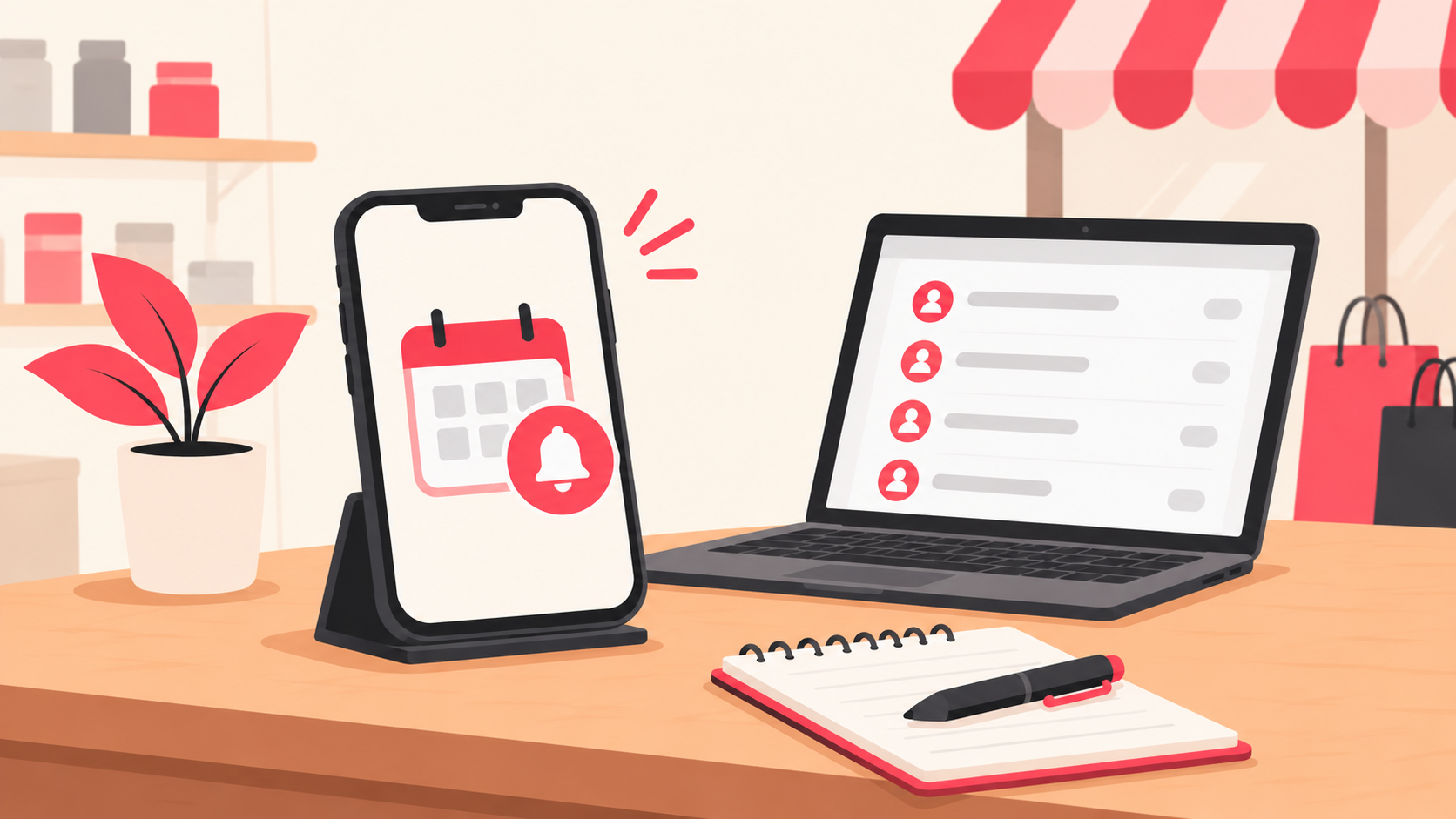
You can run this plan on paper, but it gets hard once you have more than a few active buyers. A lead management CRM such as LeadGo captures leads from your forms and website, assigns them to team members, reminds the team to follow up, and tracks the sales pipeline and calls. That means the visit stage, the notes and the next follow-up date live in one place, and the manager can see what is pending without asking around. The mobile app helps executives update a lead right after the visit, while it is still fresh.
A quick weekly check
How many visits were scheduled and how many happened?
How many visited leads have a next follow-up date?
Which visited leads have had no contact in 7 days?
What are the top three reasons for lost leads?
Ten minutes on this every week will show you where buyers are slipping.
FAQs
When should I follow up after a site visit?
Send a thank-you message the same day. Follow with a call within a few days that answers the main concern the buyer raised.
How many times should I follow up with a buyer after a visit?
There is no fixed number. Keep following up at a steady rhythm, each time with something useful, until the buyer says yes or clearly says no.
What should I record after a site visit?
Record the unit they saw, what they liked, their objections, who decides, and the date of the next follow-up.
Do I need a CRM for site visit follow-up?
Not on day one. A CRM becomes useful when leads, visits and team members grow beyond what a sheet or chat can track reliably.
How do I reduce site visit no-shows?
Confirm at booking, send reminders before the visit, share a location pin and name the person who will meet them.
If you want visit notes, reminders and your pipeline in one place, you can try LeadGo and see if it fits your team.