Earliest Sign You've Outgrown Manual Channel Management
The first sign a growing retail brand has outgrown manual channel management is not lost sales. It is not knowing who owns a new lead. Here is how to spot it and fix it.

The earliest sign you have outgrown manual channel management is simple: no one can say, in under a minute, where a new enquiry came from and who is following it up. Everything else, such as missed callbacks and messy sheets, comes after that.
If you run a growing retail brand in India, enquiries now arrive from many places: walk-ins, phone calls, WhatsApp, Instagram, your website form, marketplace messages and dealer referrals. Early on, one person and one sheet can handle it. This post shows how to spot the moment that stops working, and what to do about it.
What "manual channel management" really means
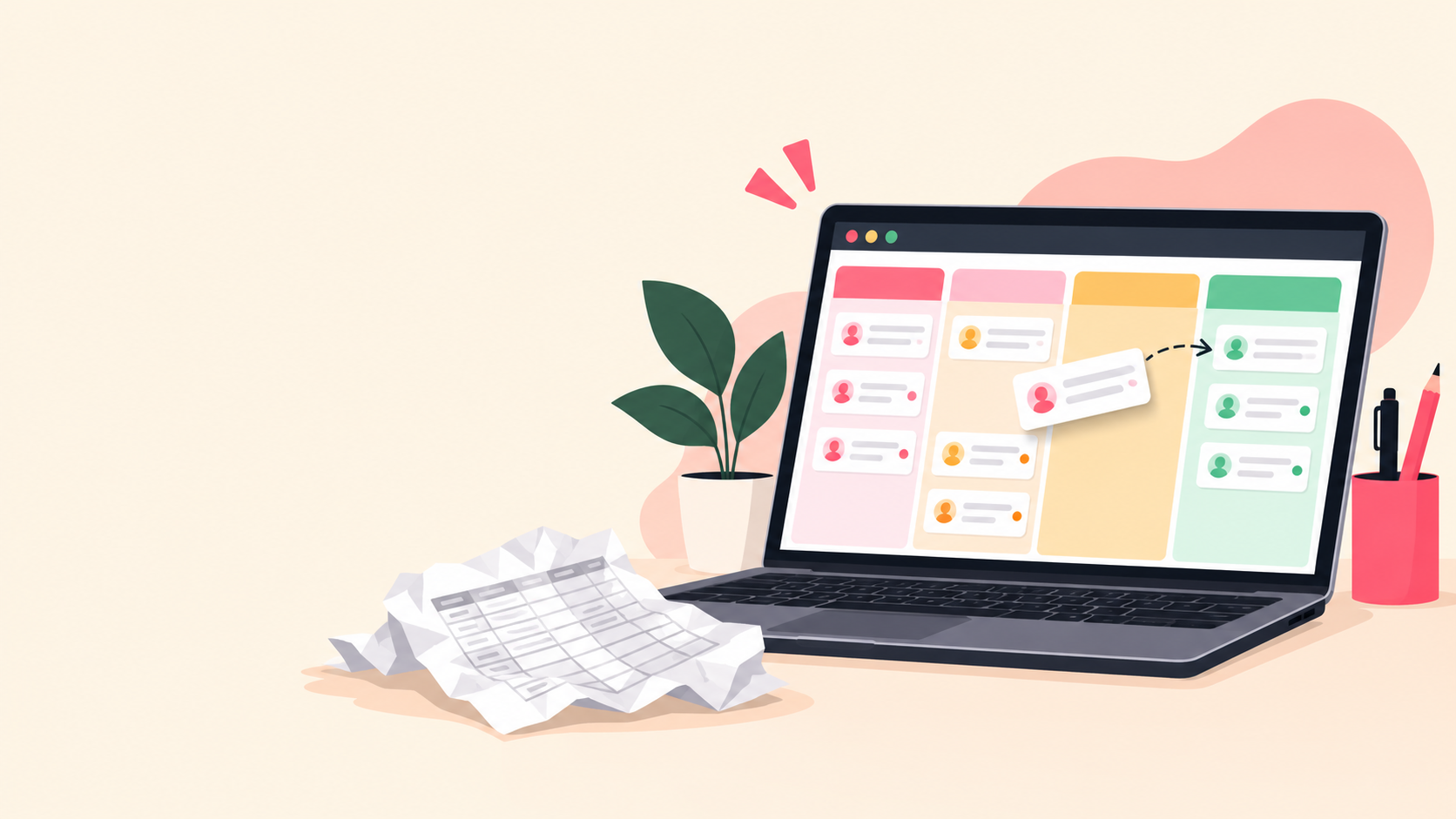
It means you track each sales and enquiry channel by hand. The tools are usually a spreadsheet, a notebook, WhatsApp groups and someone's memory. Nothing is wrong with that at the start. It is cheap and flexible.
The trouble is that manual systems depend on people remembering to update them. As volume grows, people forget, and the system quietly stops telling the truth.
The earliest sign: you cannot answer "who owns this lead?"
Pick any enquiry from yesterday. Can you tell, without asking around, these three things?
Which channel it came from.
Which team member is responsible for it.
What the next step is, and by when.
If the answer is "let me check with the team", you have hit the first sign. It shows up before sales drop, which is why it is easy to ignore. Orders still come in, so everything feels fine.
Why this sign comes first
Ownership is the first thing a manual system loses. A sheet can store names and numbers, but it cannot assign a lead, nudge the owner or warn you when nothing has happened. So the gap appears at the exact point where leads move from "received" to "followed up".
Why a growing brand outgrows manual channel management
Growth adds channels, people and speed all at once. Each new channel adds another inbox to check. Each new salesperson adds another personal way of keeping notes. Customers also expect quick replies, especially on WhatsApp, so the gap between a lead arriving and a reply going out matters more than it used to.
A brand that has outgrown manual channel management is not doing anything wrong. The method that worked at ten enquiries a week simply was not built for a hundred.
Other early warning signs to watch
1. The same customer is handled twice
A customer messages on Instagram, then calls the store. Two people reply with different answers. This is a sign that channels are not connected to one record.
2. Follow-ups depend on one person's memory
If a callback happens only because a particular salesperson remembers it, it will be missed the day they are busy or on leave. Reliable follow-up needs reminders, not good intentions.
3. You cannot compare channels
Which channel brings the most serious buyers: your website, WhatsApp or walk-ins? If you answer with a feeling and not a number, you cannot decide where to spend your marketing budget.
4. Updating the sheet has become a job
When someone spends part of every day copying details from messages and call logs into rows, the sheet is costing you selling time. Copy-paste work also invites mistakes.
5. Leads arrive faster than you can sort them
Website forms and campaigns can bring in enquiries at any hour. If they wait in an inbox until someone has time, the quickest competitor often wins the sale.
6. Your reports take an afternoon
If answering "how many enquiries did we get this month, and how many turned into sales?" needs hours of counting, your data is not working for you.
A quick self-check
QuestionHealthy answerWarning answerWhere did this lead come from?One click"I think Instagram"Who is following up?A named owner"Whoever is free"What happens if they forget?A reminder appearsThe lead goes coldWhich channel performs best?A report shows itA guess
If two or more rows land in the warning column, it is time to change how you work. For a deeper look at the spreadsheet side of this problem, read our guide on the signs you need a CRM.
What to do when you spot the sign
Step 1: Put every channel into one place
Decide that every enquiry, whatever its source, goes into a single list with the channel recorded. Even before buying any tool, this habit shows you the real picture.
Step 2: Give each lead one owner
Assign a name to every lead on the day it arrives. Shared ownership usually means no ownership.
Step 3: Set a next step and a date
Every open lead should have a follow-up date. Review overdue ones at the start of each day.
Step 4: Look at your pipeline weekly
Track how many leads sit at each stage, such as new, contacted, interested and bought. Stuck stages show you where sales are leaking. Our post on sales pipeline tracking tools for a growing team explains how to set this up.
Step 5: Move from sheets to a CRM when the effort outweighs the savings
A sheet is fine until the time spent maintaining it is more than the time spent selling. When you reach that point, a lead management CRM does the repetitive work for you. LeadGo captures leads from forms and websites, assigns them to team members, reminds the team to follow up, tracks the sales pipeline and calls, and offers analytics and a mobile app. If you are comparing options, see how to choose the best CRM for small businesses.
Common mistakes when making the switch
Waiting for a crisis. By the time leads are visibly lost, the habit of poor follow-up is already built in.
Buying before defining the process. Know your stages and who owns what first. Software then supports a clear process.
Not involving the team. Ask your sales staff what slows them down. A tool they find easy will actually get used.
Moving everything at once. Start with new leads, then bring older ones across gradually.
FAQs
How do I know if my retail brand has outgrown manual channel management?
Check whether you can quickly tell the source, owner and next step for any recent enquiry. If you cannot, or if follow-ups depend on memory, you have likely outgrown manual methods.
Is a spreadsheet ever enough?
Yes. For a small number of enquiries and one or two people, a well-kept sheet works. It stops working when several people and channels are involved.
How many leads per day is too many for manual tracking?
There is no fixed number. The better test is whether leads are being missed or followed up late. If they are, the volume is already too high for your current method.
What should I track for each channel?
At minimum: the number of enquiries, how many were followed up, how many turned into sales, and how long the first response took.
Will a CRM replace my sales team's judgement?
No. It handles the routine work of capturing, assigning and reminding, so your team spends more time talking to customers.
If you are ready to stop chasing leads across sheets and chats, try LeadGo and see every channel in one place.