Lead Qualification for Small Business: Simple Guide
Learn lead qualification for small business: four simple questions, hot-warm-cold labels and follow-up rules so your team stops chasing leads that won't buy.
Lead qualification for small business means checking, early, whether an enquiry is likely to become a customer. You do it with a few simple questions and a clear rule for what happens next. This guide shows how to do it without a big sales process.
Most small teams in India get leads from many places at once: website forms, calls, WhatsApp, ads and listing sites. If every enquiry gets the same effort, your best salesperson spends the morning on people who were never going to buy. Qualification fixes that.
What is lead qualification?
Lead qualification is the step between "someone enquired" and "someone is worth a sales effort". You collect a few facts, decide if the lead is a good fit, and then choose the right next action.
It is not about rejecting people. It is about deciding who gets a call in the next hour, who gets a message this week, and who goes into a slow nurture list.
Why lead qualification matters for small teams
A small team has limited hours. Every minute spent on a weak lead is a minute not spent on a strong one. Qualification also helps the owner see the real pipeline, because a list of 400 "leads" tells you very little until you know which ones are serious.
It also makes lead response time easier to manage. When you know which leads are hot, you can answer those first.
Step 1: Define your ideal customer
Write down what your best customers have in common. Keep it short. Four or five points are enough.
Location or area you can serve
Budget range that makes sense for your offer
The problem or need you solve best
Who decides, and who pays
Timeline in which they usually buy
Look at your last ten customers. Note what they asked, how fast they decided and where they came from. The pattern is usually clearer than you expect.
Step 2: Ask a few qualifying questions
You do not need a long form. Capture name and phone first, then ask the rest in the first call or chat. Four questions cover most businesses.
The four questions
Need: What exactly are you looking for?
Budget: What range are you comfortable with?
Timeline: When do you want to start or buy?
Decision: Is anyone else involved in the decision?
Ask them in a natural way. A call that feels like an interview loses the lead. A call that feels like help keeps it.
Examples by business type
Real estate: Which area, what budget, when can you visit, and is it for living or investment?
Coaching and education: Which course, which batch, who is the student, and who will pay the fee?
Insurance: Which cover, who needs it, and when does the current policy end?
Clinics: What is the concern, and which day suits for an appointment?
Local services: What is the job, where is it, and when do you need it done?
Step 3: Score leads with a simple method
Lead scoring sounds technical, but a basic version works with plain labels. Use three groups.
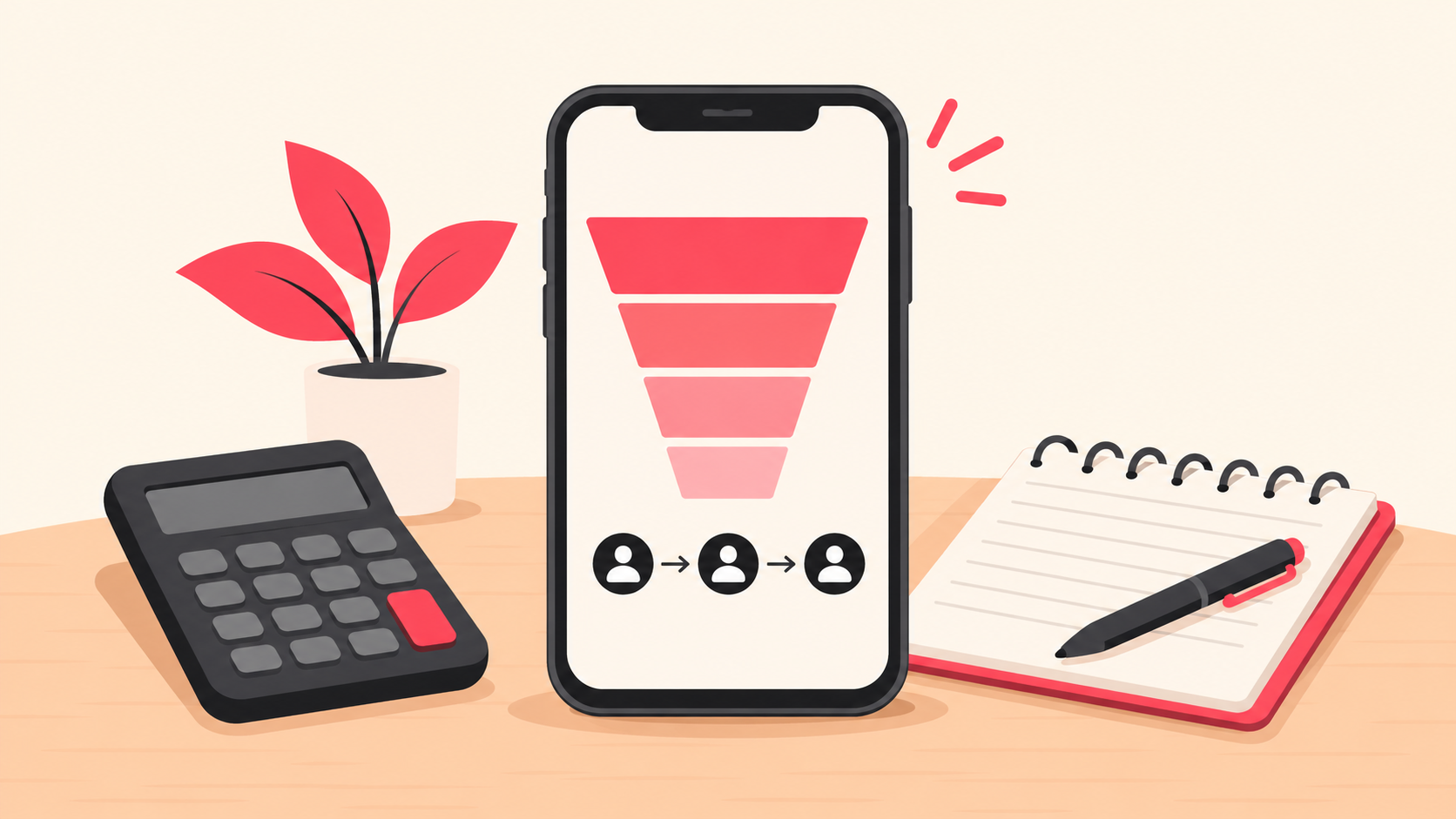
LabelWhat it looks likeNext actionHotClear need, budget fits, wants to act soonCall within the hour and fix a meeting or visitWarmReal need, but timing or budget is unclearFollow up in a few days with useful informationColdJust browsing, or outside your area or budgetAdd to a slow list and check again later
Review the labels every week. If a "cold" lead replies with a clear need, move them up. Labels should change as you learn more.
Step 4: Set a follow-up rule for each group
Qualification only helps if each label leads to action. Agree on the rules as a team, and write them down.
Hot leads: first call within the hour, then a reminder the next day if there is no answer.
Warm leads: a message or call every few days, with something useful each time.
Cold leads: one check-in every few weeks, nothing more.
Channels matter too. A quick WhatsApp message often gets a faster reply than a call. See our plan for WhatsApp lead follow-up and for handling missed call leads.
Step 5: Assign the right person
Your strongest closer should handle hot leads. Newer team members can handle warm and cold ones. Without clear ownership, leads fall between people. Read more in our guide to lead assignment for small sales teams.
Common mistakes to avoid
Asking too much, too early. A long form scares people off. Ask in stages.
Judging by the source alone. A lead from a cheap source can still be a great buyer.
Never revisiting cold leads. Needs change. A "not now" can become "yes" next quarter.
Keeping notes in your head. If the answers are not saved, the next person starts from zero.
Skipping consent. Collect only the data you need and be clear about why. Our DPDP Act lead data checklist explains the basics.
A quick example
Imagine a coaching institute that gets 30 enquiries in a week. A parent asks about a course, says the student starts next month, and the fee is within range. That is a hot lead: call today and offer a demo class. Another enquiry says "just checking prices" and gives no timeline. That is cold: send the fee details and set a check-in reminder for a few weeks later.
Both people get a reply. The difference is the speed and effort. Your team spends the most energy where the chance of a sale is highest, and nobody is forgotten.
How to start this week
Write your ideal customer in five points.
Choose your four qualifying questions.
Label every new lead hot, warm or cold on the first call.
Agree on one follow-up rule for each label.
Review the list every Monday and move leads between labels.
Keep the process light. If your team finds it heavy, they will skip it, so start small and add detail only when it helps.
Where a CRM helps
You can start with a notebook or a spreadsheet. But once leads come from several channels, tracking labels, notes and reminders by hand gets hard. LeadGo is a lead management CRM that captures leads from forms and websites, assigns them to team members, reminds the team to follow up, and tracks the sales pipeline and calls. Its analytics and mobile app help you see which leads are moving and which are stuck.
FAQs
What is lead qualification in simple words?
It is checking whether an enquiry is a good fit and ready to buy, so you can decide how much time to give it.
How many qualifying questions should I ask?
Three to five is enough. Cover need, budget, timeline and who decides. You can ask more later, once trust is built.
What is the difference between a lead and a qualified lead?
A lead is anyone who shows interest. A qualified lead has been checked and meets your basic fit, budget and timing.
Do I need lead scoring software?
No. Hot, warm and cold labels work for small teams. Software helps when volume grows and you need reminders and a shared view.
How often should I review my lead labels?
Weekly is a good habit. Move leads up or down as you learn more, so your team always works on the right ones.
Good qualification saves time and wins more of the right customers. If you want to organise your leads, follow-ups and pipeline in one place, try LeadGo.